MENU

Heat Shrink Tubing vs. Cold Shrink Tubing: Differences and Selection
Quickly understand the principles, features, and application scenarios of heat-shrink and cold-shrink tubing to help you find the most suitable cable protection solution.
What is Heat-shrink Tubing?
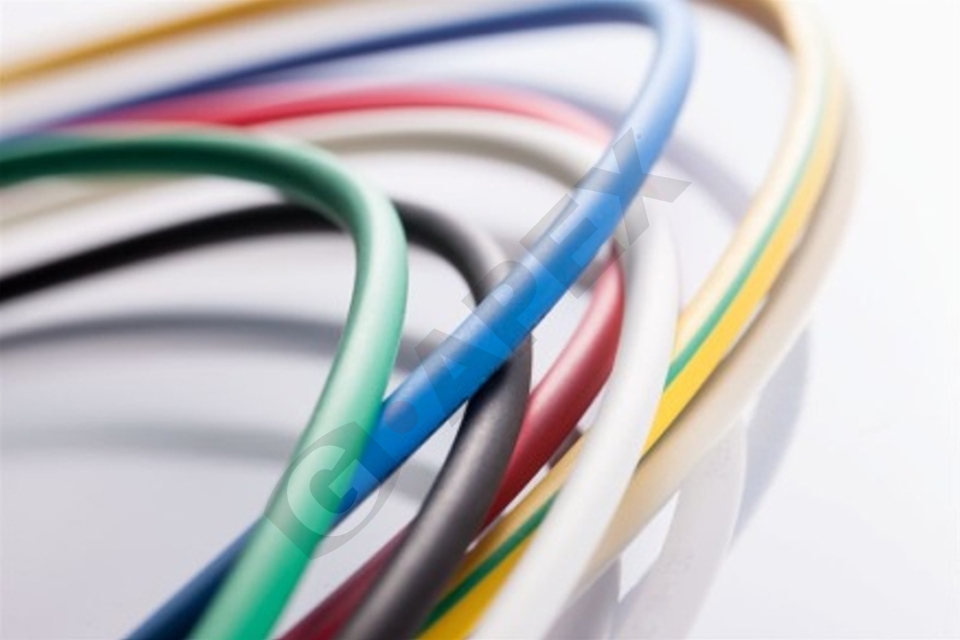
Heat-shrink tubing is a protective sleeve made of thermoplastic materials. During installation, the tubing is placed over the wire or connector, then heated with a heat gun or heating device to allow it to shrink and tightly wrap the object.
Advantages:
- Tight fit with waterproof, dustproof, corrosion-resistant, and abrasion-resistant properties
- Excellent insulation performance that enhances safety
- Suitable for protecting and insulating most wires and electronic components
Common applications: Electronic wire harnesses, automotive wiring, industrial cables, and communication equipment.
What is Cold-shrink Tubing?
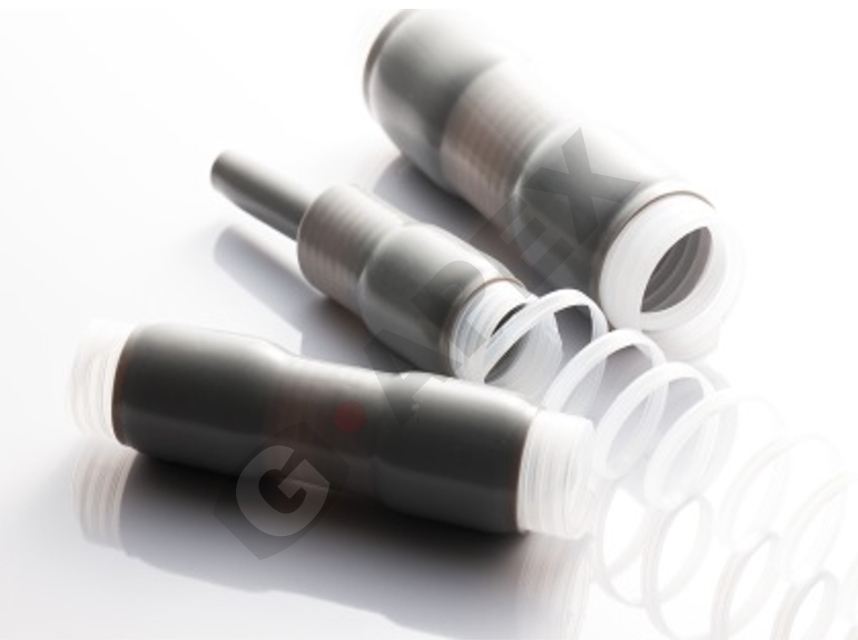
Cold-shrink tubing is made of silicone or rubber-based elastic materials. During installation, simply remove the supporting core, and the tubing will automatically shrink and tightly wrap around the cable or connector.
Advantages:
- No heating equipment required, making installation faster and safer
- Excellent elasticity that maintains long-term sealing
- Particularly suitable for protecting outdoor or high-voltage cable connections
Common applications: Power cable joints, outdoor wiring, and situations requiring quick installation.
Heat Shrink Tubing vs. Cold Shrink Tubing: Comparison of Differences
| Feature | Heat-Shrink Tubing | Cold-Shrink Tubing |
|---|---|---|
| Installation method | Requires heating to shrink | No heating required; simply pull out the support core |
| Material | Thermoplastic polyolefin, PVC, etc. | Silicone, rubber elastomers |
| Suitable environments | General electronics, automotive, industrial wiring | High-voltage cables, outdoor installations, humid environments |
| Installation efficiency | Requires heating, more time-consuming | Fast and safe installation, no tools needed |
| Cost | Relatively lower, widely used | Relatively higher, mainly for professional power engineering |
Heat-shrink and cold-shrink tubing each offer their own advantages. When choosing between them, consider the installation environment, sealing requirements, and construction conditions.
If you are looking for the right cable protection tubing, G-APEX provides professional products to help enhance the reliability and durability of your wiring.