MENU

Industrial Cables Management: The Difference between Heat-shrink Tubing and Braided Sleeving
In industrial equipment and wiring systems, proper cable management not only affects aesthetics but also the safety and durability. Common cable protection materials include heat-shrink tubing and braided tubing, each with distinct characteristics in application methods and protective effect. This article will analyze the differences between heat shrink tubing and braided tubing to help you choose the most suitable industrial cable management solution.
Why is industrial cable management so important
Inside automation equipment, power distribution systems, and control boxes, cables are constantly exposed to high temperatures, dust, vibration, and mechanical friction. Without proper management and protection, this can easily lead to insulation damage, signal interference, and even short circuits.
Appropriate cable protection solutions, such as heat-shrink tubing or braided tubing, can not only extend cable life but also improve the overall system stability and safety.
Characteristics and applications of heat-shrink tubing
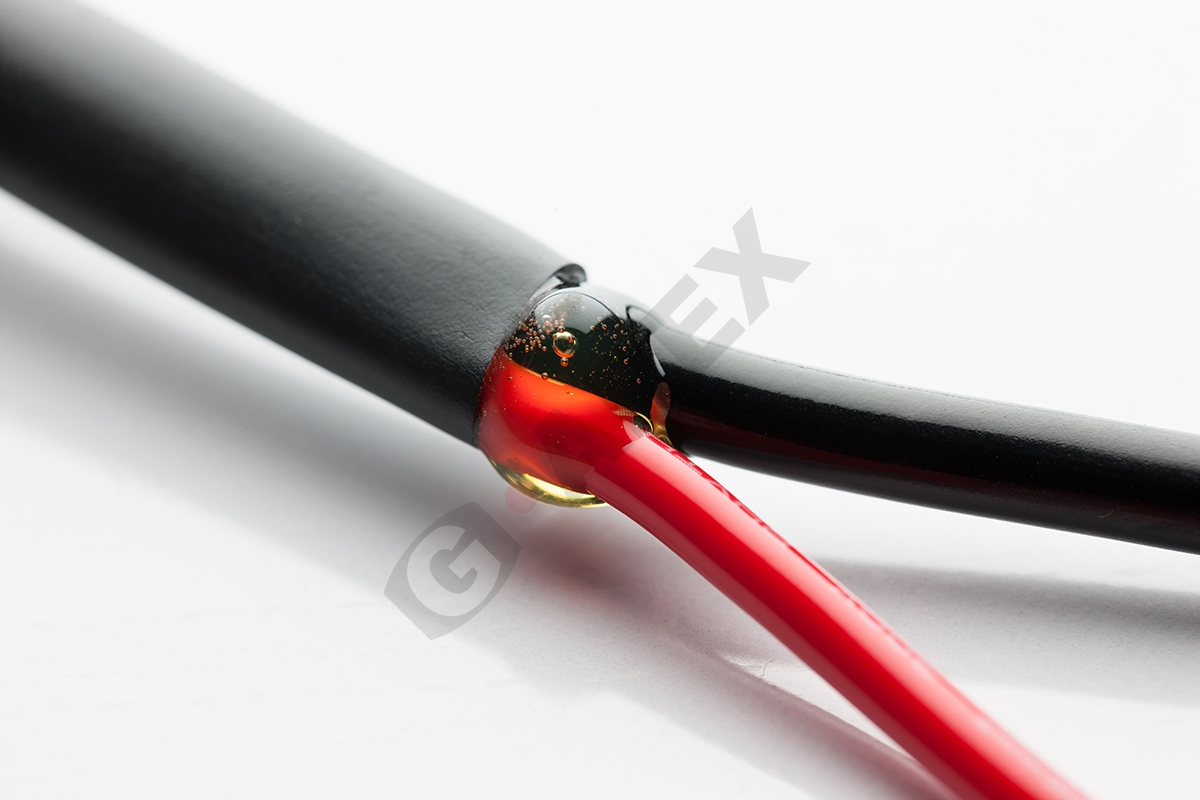
Heat shrink tubing is an insulating protective material that shrinks and adheres when heated, commonly used for cable joints, terminals, and wire wrapping.
When heated to the recommended temperature, the tubing tightly wraps around the cable or joint, forming a stable insulating, waterproof, and mechanical protective layer. It is particularly suitable for applications requiring sealing, moisture protection, and high reliability.
Applications for heat shrink tubing:
- Cable joint insulation protection
- Waterproof, dustproof, and sealing requirements
- High temperature or high vibration environments
- Need for fixed and reinforced joints
Characteristics and applications of braided sleeve
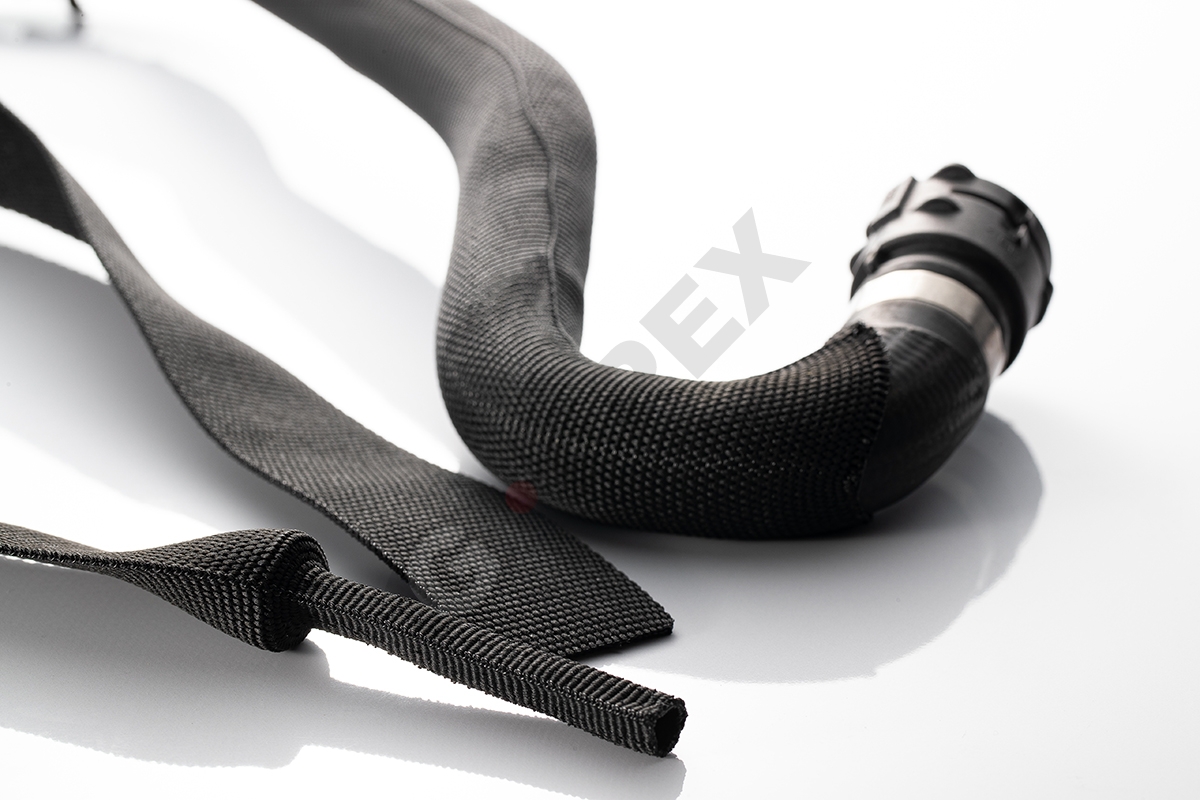
Braided tubing is typically made of polyester or nylon, offering good flexibility and ventilation, making it suitable for the centralized management of multiple cables.
Its primary function is organization and abrasion protection, not sealing. Braided tubing can easily wrap around multiple cable bundles and can bend with the cables, making it suitable for both internal cable management and external protection within equipment.
Suitable applications for braided tubing:
- Centralized management of multiple cables
- Requirement for high flexibility and detachability
- Focus on cable organization and aesthetics
- General abrasion protection
The difference between heat-shrink tubing and braided sleeving
| Item | Heat Shrink Tubing | Braided Sleeving |
|---|---|---|
| Protection Method | Provides tight coverage and sealing protection | Provides external coverage and cable management |
| Waterproofing Capability | Offers excellent sealing performance | Does not provide waterproof sealing |
| Installation Method | Requires heat for installation | Can be installed directly |
| Application Focus | Emphasizes "insulation and sealing" | Emphasizes "cable management and abrasion" |
How to choose a proper industrial cable protection solution
If the application requires cable joint insulation, waterproof sealing, or high-reliability protection, heat-shrink tubing is a more suitable choice.
If the primary purpose is to manage multiple cables and provide basic abrasion protection, the braided sleeve offers greater flexibility and convenience.
Whether using heat-shrink tubing or braided sleeving, choosing an appropriate cable protection material is crucial for improving the safety and durability of industrial equipment. Matching the materials to the specific environmental conditions and usage requirements to create a more stable and efficient cable management system.